The Ordinary Skincare Review: Best Products, Prices, and What Buyers Say

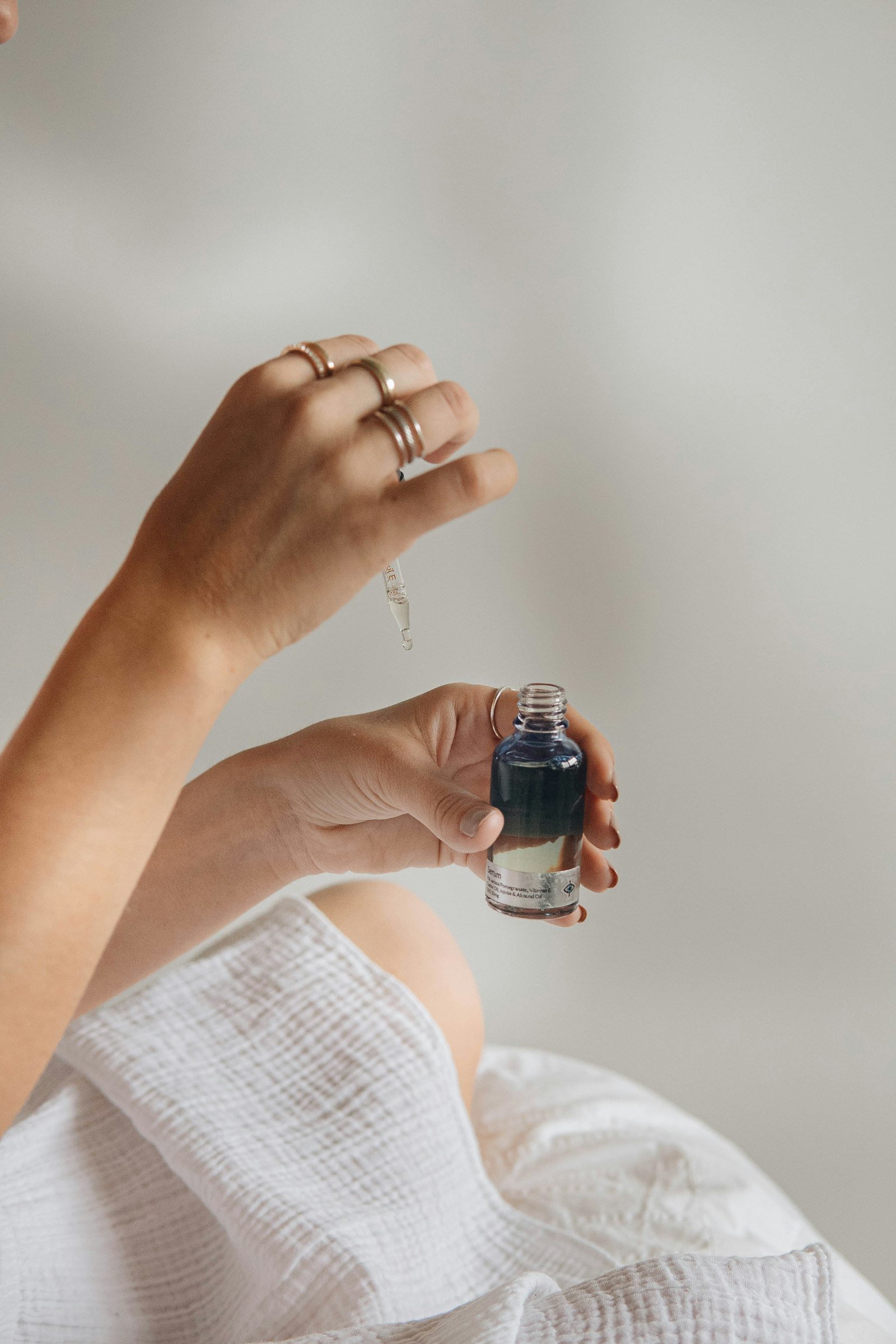
The Ordinary changed what people expect to pay for skincare. Before 2016, a niacinamide serum was a $40 purchase with a gold-foil box and a story about rare botanicals. The Ordinary put the same active in a plain dropper bottle, printed the concentration on the front, and charged $6. The industry has not fully recovered.
That transparency is also the brand’s biggest problem for a first-time buyer. Walk into the range cold and you face dozens of chemical names with no indication of which ones you need, which ones cancel each other out, and which ones will leave your face stinging. This The Ordinary skincare review sorts the range into what is genuinely excellent, what is fine, and what you should skip, with current prices and a routine you can actually follow.
Key Takeaways
- The value is real, not a gimmick: Niacinamide 10% + Zinc 1% costs around $6 and does the same job as serums at five times the price.
- Start with three products, not ten: a cleanser, one active and a moisturiser. Buying eight serums at once is how people end up with a damaged barrier.
- Some products genuinely are not worth buying: the Vitamin C Suspension 23% and Argireline Solution are the clearest examples, for reasons explained below.
- The rules matter more than the products: never mix retinoids with acids on the same day, never apply hyaluronic acid to dry skin, and always wear SPF after exfoliating.
- It is owned by Estée Lauder now: DECIEM was acquired in 2021, and the formulation philosophy and pricing have held since.
- Pregnancy means skipping several products: all retinoids, the AHA 30% peel and high-percentage salicylic acid are off the table.
What The Ordinary Is and Why It Costs So Little
The Ordinary launched in 2016 under DECIEM with a deliberately unglamorous proposition: sell single, well-documented cosmetic actives at close to cost price, in plain packaging, with the concentration stated on the label. No proprietary complexes, no invented ingredient names, no marketing premium.
Estée Lauder Companies acquired DECIEM in 2021, which prompted widespread predictions that prices would rise and formulas would be diluted. Neither happened in any meaningful way. The core products remain in the same price band, and the formulation approach is unchanged. DECIEM also runs NIOD and Hylamide as more experimental and more expensive tiers, so if you outgrow The Ordinary there is a path upwards within the same house.
The honest trade-off for the price is that you are doing the work a brand would normally do for you. There is no routine printed on the box, no guidance on what combines with what, and a product name like Granactive Retinoid 2% Emulsion tells you nothing if you do not already know what hydroxypinacolone retinoate is. The products are excellent. The shopping experience assumes you have done your homework.
The Ordinary Prices: What Things Actually Cost
| Product | Size | Price | Best For |
|---|---|---|---|
| Niacinamide 10% + Zinc 1% | 30ml or 60ml | About $6.00 | Oil control, visible pores, redness |
| Natural Moisturizing Factors + HA | 30ml or 100ml | About $6.70 | Barrier support, basic moisturiser |
| Glycolic Acid 7% Exfoliating Toner | 100ml or 240ml | About $9.00 | Texture, tone and radiance |
| Hyaluronic Acid 2% + B5 with Ceramides | 30ml or 60ml | About $9.90 | Dehydration, plumping |
| Retinol 0.5% in Squalane | 30ml | About $10.00 | Fine lines, texture |
| Salicylic Acid 2% Solution | 30ml | About $7.00 | Blackheads, clogged pores |
| Multi-Peptide Eye Serum | 15ml | About $25.00 | Dark circles, age support |
| Serum Foundation | 30ml | About $7.50 | Lightweight medium coverage |
For context, a three-step routine of cleanser, niacinamide and moisturiser from this range costs roughly $20 to $25 total. That is less than a single serum from most mid-market brands, and it is the strongest argument for the brand in one sentence.
The Best The Ordinary Products, Reviewed
1. Niacinamide 10% + Zinc 1%: The One to Buy First
At around $6, this is the product that built the brand’s reputation and the one most worth owning. Niacinamide is a genuine multi-tasker: it regulates oil production, reduces the look of enlarged pores, calms redness and gradually improves uneven tone. The zinc adds a sebum-balancing effect.
What to expect: visible improvements in oil control and skin texture within four to eight weeks. It is well tolerated across all skin types, which is rare for an active at this strength.
How to use it: one to two drops, morning or evening, on clean skin before moisturiser. The texture is slightly tacky and a few users find it pills under makeup, which is almost always a sign of using too much. Less is genuinely more here.
Who should skip it: a small minority find 10% niacinamide irritating. If that is you, a 5% formulation from another budget brand is a gentler entry point rather than a reason to abandon the ingredient.
2. Hyaluronic Acid 2% + B5: Best for Dehydrated Skin
Around $9.90 for a multi-weight hyaluronic acid blend with panthenol, which reaches different depths of the skin rather than sitting entirely on the surface. Results are immediate in the sense that skin looks plumper within minutes.
The rule that makes or breaks it: apply it to damp skin only, then seal with a moisturiser. Hyaluronic acid is a humectant, meaning it pulls water towards itself. Applied to dry skin in dry air it can draw moisture out of your skin rather than into it, which is exactly why some people report that it made their face tighter. The product is not the problem; the application is.
3. Glycolic Acid 7% Exfoliating Toner: Best Everyday Exfoliant
About $9.00 for 100ml, or a larger 240ml bottle, which makes it one of the best-value chemical exfoliants anywhere. Glycolic acid is an AHA that loosens dead surface cells, which over a few weeks evens out texture and brings back some radiance to dull skin.
How to use it sensibly: on a cotton pad, evenings only, two or three times a week to start. Not on broken or freshly shaved skin, and never on the same evening as a retinoid. SPF the next morning is not optional, because freshly exfoliated skin burns more easily.
4. Retinol 0.5% in Squalane: Best Mid-Strength Retinoid
Around $10 for a retinol suspended in squalane oil, which is a smart formulation choice: the squalane base cushions the irritation that usually comes with retinol. This is the intermediate option, suited to someone who has used a retinoid before.
Timeline and approach: start once or twice a week and build up slowly. Visible improvement in fine lines and texture takes eight to twelve weeks. Going faster does not speed up results; it just gives you a peeling, sensitised face.
For sensitive skin: the Granactive Retinoid 2% Emulsion is the better pick. It uses hydroxypinacolone retinoate, a retinoid ester that is notably gentler than classic retinol while still working through the same receptor pathway.
5. Salicylic Acid 2% Solution: Best for Congestion
Around $7 for a BHA that is oil-soluble, meaning it can get inside a pore and clear the mix of sebum and dead skin sitting in it. That makes it the right choice for blackheads, closed comedones and oily, congested skin, where glycolic acid works mostly on the surface.
Important distinction: buy the Solution, not the Anhydrous version. The anhydrous formulation is considerably harsher and is one of the products covered in the skip list below.
6. AHA 30% + BHA 2% Peeling Solution: Powerful, With Caveats
The deep red bottle that became famous on social media. It is a ten-minute rinse-off treatment, used no more than once a week, and it does deliver a visible brightening and smoothing effect.
Read the cautions properly: at 30% AHA this is a strong at-home peel. European dermatology bodies advise that home peels above 20% should be used sparingly. It must not be layered with retinoids on the same day, must never be left on longer than ten minutes, and must not go on compromised, broken or sunburnt skin. SPF the following day is essential.
Honest view: impressive when used correctly, and the single most misused product in the range. If you are new to acids, start with the 7% glycolic toner and come back to this in a few months.
7. Natural Moisturizing Factors + HA: Best Basic Moisturiser
About $6.70, and it does one job well: supporting the skin barrier with the lipids and amino acids your skin already uses. It is unexciting, which is the point. It layers under or over anything, it does not conflict with any active, and the 100ml size makes it absurdly cheap per use.
8. Multi-Peptide Eye Serum: The Premium Pick
At about $25 for 15ml this is the most expensive product most people buy from the range, targeting dark circles and general age support around the eyes. Peptide research is genuinely interesting but peptide results are subtle and slow. Buy it if you have the rest of your routine settled and want to add something; do not buy it expecting to erase hereditary dark circles, which are structural and do not respond to topicals.
The Ordinary Products Worth Skipping
A brand this large will have weak products, and being specific about them is more useful than pretending otherwise:
- Vitamin C Suspension 23% + HA Spheres 2%: high strength on paper, but it oxidises quickly and the gritty texture is unpleasant for most people. Vitamin C is a difficult molecule to stabilise and this formulation shows why.
- Caffeine Solution 5% + EGCG: popular for under-eye puffiness, but the evidence base is weak and most of the effect is temporary.
- Argireline Solution 10%: marketed around a peptide said to relax expression lines, with limited evidence that it penetrates sufficiently to do so topically.
- Salicylic Acid 2% Anhydrous Solution: a harsher formulation than the standard Solution with no corresponding benefit for most users.
- 100% Cold-Pressed Virgin Marula Oil: a perfectly good oil, overpriced relative to equivalent facial oils including The Ordinary’s own squalane.
The Rules That Stop You Ruining Your Skin
More people have a bad experience with this brand from combining products badly than from any single formulation. These five rules cover almost all of it:
- Two to three actives maximum in a routine: more than that and you cannot tell what is working or what is irritating you.
- Never mix retinoids with acids on the same day: alternate evenings instead. Retinol Monday and Thursday, glycolic Tuesday and Friday, nothing active on the others.
- Always follow an acid peel with SPF 30 to 50 the next morning: freshly exfoliated skin burns faster, and sun damage undoes the benefit you just paid for.
- Apply hyaluronic acid to damp skin only, then seal it: on dry skin in a dry climate it can work against you.
- Introduce one new product at a time, two weeks apart: boring, and the only reliable way to identify what your skin dislikes.
A Simple Routine That Works
Morning: gentle cleanser, Niacinamide 10% + Zinc 1%, Natural Moisturizing Factors + HA, then a sunscreen with SPF 30 or higher.
Evening, three nights a week: cleanser, Retinol 0.5% in Squalane, then moisturiser.
Evening, two other nights: cleanser, Glycolic Acid 7% Toner, then moisturiser.
Remaining nights: cleanser and moisturiser only. Rest days are part of the routine, not a lapse in it.
Total cost for that routine from this range is roughly $26 plus sunscreen, which is the core value proposition in practice rather than in theory.
Pregnancy and Safety
If you are pregnant or trying to conceive, avoid all retinoids, including Retinol in Squalane and the Granactive Retinoid, as well as the AHA 30% + BHA 2% peel and high-percentage salicylic acid products. Niacinamide, hyaluronic acid and the Natural Moisturizing Factors moisturiser are generally considered fine. Confirm anything you plan to use with your obstetrician, since advice varies by individual circumstance.
The Ordinary Versus the Alternatives
The two brands most often compared with The Ordinary are CeraVe and The INKEY List, and they are not really competing for the same job.
- CeraVe is the better choice for the foundation of a routine: its ceramide-based Hydrating Facial Cleanser at around $14 is the single most dermatologist-recommended drugstore cleanser, and its Moisturizing Cream at about $16 for a 16oz tub lasts most people close to a year.
- The INKEY List sits between the two, with gentler concentrations and slightly friendlier labelling. Its 5% Niacinamide Serum at about $8 is a sensible alternative if 10% is too much for your skin.
- The Ordinary wins decisively on single actives at a given concentration, and loses on guidance and on basics like cleansers.
The most sensible approach is to mix them: CeraVe for cleanser and moisturiser, The Ordinary for the actives. We cover that combination and the rest of the budget shelf in our comparison of affordable skin care products by price and buyer reviews. If you are drawn towards Korean skincare instead, our Anua skincare review covers the brand that has taken that niche.
Frequently Asked Questions
Is The Ordinary actually good, or just cheap?
Both. The actives are standard, well-studied molecules at stated concentrations, which is exactly what dermatologists care about. What you lose relative to premium brands is elegant texture, fragrance, packaging and routine guidance. For niacinamide, glycolic acid, hyaluronic acid and retinol, the performance gap against much more expensive products is small or non-existent.
Which product should a complete beginner buy?
Niacinamide 10% + Zinc 1%, plus Natural Moisturizing Factors + HA. That is about $13, it suits almost every skin type, and it gives you a result without any risk of the combination mistakes that cause most bad experiences.
Did quality drop after the Estée Lauder acquisition?
There is no evidence of that. DECIEM was acquired in 2021 and the formulation approach and near-cost pricing have continued. Individual products are occasionally reformulated or discontinued, which happened under independent ownership too.
How long before I see results?
Hyaluronic acid is immediate. Niacinamide takes four to eight weeks. Acids show texture improvement in two to four weeks. Retinol needs eight to twelve weeks, sometimes longer. Anything promising a visible change in days is describing hydration, not a change in your skin.
Can I use several The Ordinary serums at once?
You can layer hydrating products freely, but keep actives to two or three. Thinnest to thickest is the general order, with water-based before oil-based, and allow a minute between layers.
The Verdict
The Ordinary is the best value in skincare, with the caveat that the value only materialises if you buy three or four of the right products rather than twelve of everything. Niacinamide 10% + Zinc 1% at around $6 is close to an essential purchase for anyone with oily or congested skin. The Glycolic Acid 7% Toner, Hyaluronic Acid 2% + B5, Retinol 0.5% in Squalane and Natural Moisturizing Factors + HA complete a routine that costs less than a single mid-market serum.
Skip the Vitamin C Suspension, the Argireline and the anhydrous salicylic acid, respect the rule about not layering retinoids with acids, and the brand delivers exactly what it promises. Buy the whole range at once and you will learn the hard way why professional guidance usually costs money.
Prices reflect the brand’s listed US pricing at the time of writing and vary by retailer and region. This article is general information, not medical advice. If you have a skin condition such as eczema, rosacea or persistent acne, see a dermatologist before starting strong actives.
Photo by Mathilde Langevin on Unsplash